
Bridging the Gap: How Black Oak Mine Math Educators Aligned for Student Success
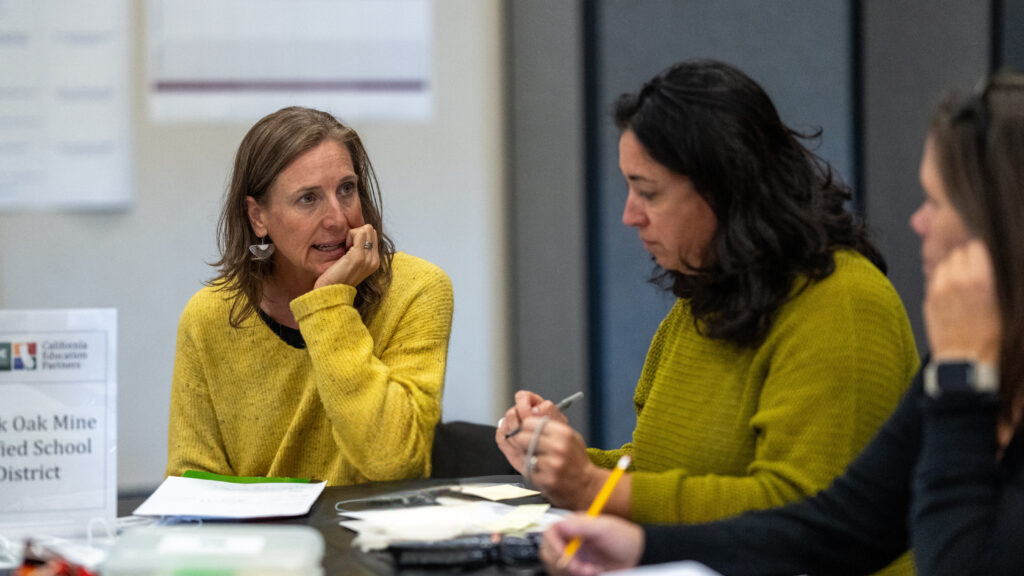
On the surface, a drop in math scores as students transitioned from 6th-grade elementary classrooms into 7th grade at the high school seemed like an inevitable roadblock. But Black Oak Mine’s On Track Improvement team refused to accept that narrative. Instead, this dedicated group of math educators chose to dig deeper into the district’s systems to understand the root causes of the achievement gap.
When the team looked past the initial summary data, they discovered that the drop-off was a symptom of systemic friction caused by a lack of aligned structures for teaching and learning across grade levels. Grading processes were unaligned, and there was no predictable system for test retakes. Without a clear, shared pathway, students lacked a structured way to fill knowledge gaps. This fragmentation also prevented teachers from collaborating meaningfully, as each operated with different intervention styles and instructional priorities.
To dismantle these barriers, the team spent the last three years building a unified, predictable framework centered entirely on student growth. They implemented:
- Common Grading and Retake Strategies: Creating clear, transparent processes that students have successfully learned to navigate.
- Weekly Looping Assessments: Designing tests that revisit previous material each week, offering students multiple opportunities to demonstrate mastery.
- Rigorous Performance Tasks: Utilizing Focused Interim Assessment Blocks (FIABs) aligned to state standards to ensure daily instruction matches end-of-year expectations.
The impact of this collaborative alignment is already clear. The gap in student performance going from the elementary schools to the high school – 6th to 7th grade – is closing and 8th grade student achievement is growing at a faster rate each year.
As Black Oak Mine prepares to adopt a new 7th–9th grade curriculum next year and welcome two new teachers to the department, the team already has a blueprint for sustainability. By intentionally onboarding new staff into these proven grading and instructional practices, the district ensures that their hard-won alignment remains intact and the educational pathway stays equitable for every student.